
The Power of Body Language in Professional Settings
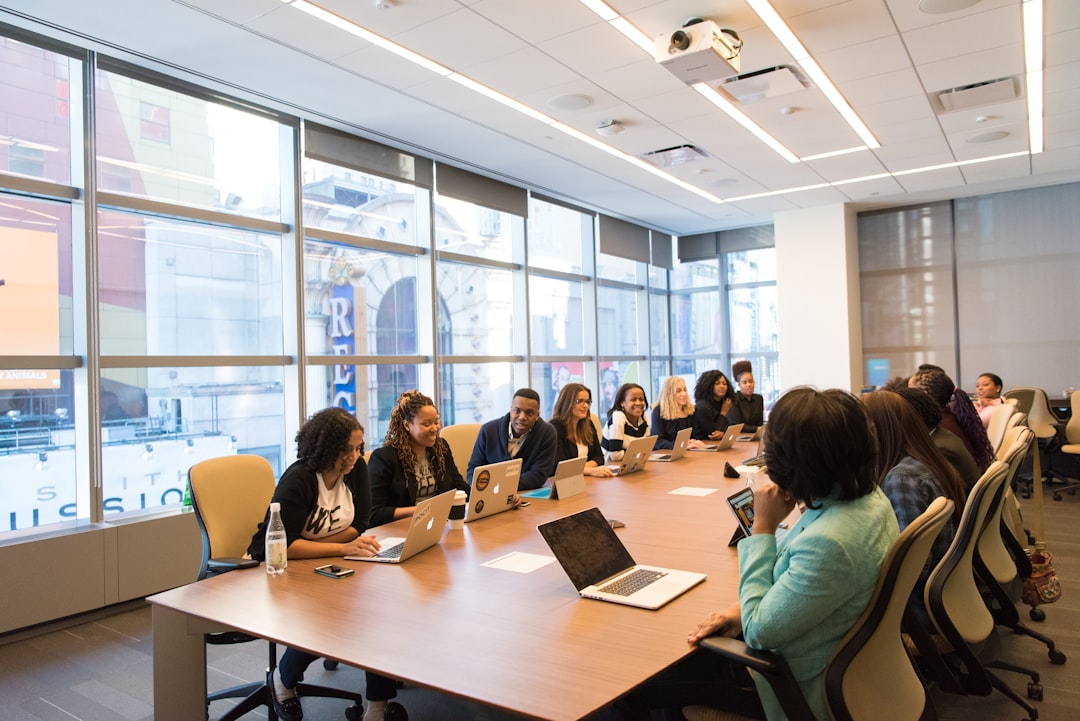
Research consistently shows that non-verbal communication accounts for a significant portion of how we convey and interpret messages. In professional settings like interviews, presentations, and business meetings, your body language can either reinforce or undermine your words. Understanding and mastering non-verbal communication gives you a powerful tool for enhancing your professional presence and effectiveness.
The Foundation: Posture and Presence
Your posture communicates volumes about your confidence, engagement, and professionalism. Standing or sitting with an upright, open posture conveys confidence and competence. Keep your shoulders back but relaxed, your chin parallel to the ground, and avoid slouching or leaning excessively. When sitting, claim your space without sprawling: sit upright with both feet on the floor and hands visible on the table or in your lap. Good posture not only influences how others perceive you but also affects your own confidence and mental state through the mind-body connection.
Eye Contact: The Window to Connection
Appropriate eye contact is crucial for building trust and demonstrating engagement. In Western professional contexts, maintain eye contact for 60-70% of conversation time. Look directly at the person speaking to you, and when addressing groups, distribute your gaze across audience members. However, be mindful of cultural differences regarding eye contact norms. Avoid staring intensely, which can feel aggressive, or looking away constantly, which suggests disinterest or dishonesty. Practice comfortable, natural eye contact that shows you're present and engaged.
Hand Gestures: Adding Emphasis and Clarity
Strategic hand gestures can enhance your message by adding emphasis and helping listeners visualize concepts. Use open, controlled gestures at chest level to illustrate points and maintain energy in your delivery. Avoid excessive or distracting movements like fidgeting, playing with jewelry, or repetitive gestures. Keep your hands visible rather than in pockets or behind your back, as hidden hands can unconsciously trigger distrust. When not gesturing, rest your hands comfortably at your sides or in a neutral position.
Facial Expressions: Authenticity Matters
Your facial expressions should align with your message and demonstrate genuine emotion. Smile warmly when appropriate to create positive connections and show approachability. Be mindful that your face reflects your thoughts and feelings, even when you're not speaking. Practice neutral, pleasant expressions while listening, and ensure your expressions match your words. Incongruence between verbal and facial communication creates confusion and distrust. Record yourself speaking to become aware of unconscious expressions you may not realize you're making.
Personal Space and Proximity
Respecting appropriate personal space demonstrates social awareness and professionalism. In most Western business contexts, maintain about three to four feet of distance during conversations. Move closer during more personal or collaborative discussions, but never so close that others appear uncomfortable. Be observant of others' boundaries: if someone steps back, respect that signal. Cultural norms around personal space vary significantly, so research and observe customs when working in international contexts.
The Handshake: First Impressions Count
A proper handshake remains a crucial element of professional introductions. Offer your hand confidently with your thumb pointing upward. Make palm-to-palm contact and apply firm but not crushing pressure. Maintain eye contact while shaking hands and release after two to three seconds. A weak, limp handshake suggests lack of confidence, while an overly aggressive grip can be off-putting. Practice your handshake to ensure it conveys professionalism and respect.
Mirroring: Building Rapport Naturally
Subtle mirroring of others' body language can build rapport and connection. When done naturally and unconsciously, mirroring makes others feel understood and creates harmony in interactions. Notice the pace, energy level, and general posture of those you're communicating with and gently align your own body language. However, avoid obvious mimicking, which feels manipulative. The goal is natural synchronization that facilitates understanding, not performance.
Managing Nervous Habits
Identify and eliminate distracting nervous habits that undermine your professional image. Common culprits include touching your face, playing with hair, excessive hand wringing, foot tapping, or pen clicking. These behaviors signal anxiety and distract from your message. Record yourself or ask trusted colleagues to identify unconscious habits you display. Replace nervous movements with purposeful stillness or controlled, deliberate gestures. With awareness and practice, you can eliminate these distracting behaviors.
Power Posing and Confidence
Research suggests that adopting expansive, confident postures can actually influence your internal state and hormone levels. Before important professional situations, spend two minutes in a power pose: standing with feet apart, hands on hips or raised in victory. This practice can increase confidence and reduce stress hormones. While you wouldn't maintain such poses during actual interactions, using them beforehand can help you enter professional situations with greater confidence and presence.
Adapting to Virtual Communication
Body language principles apply to video calls but require specific adaptations. Position your camera at eye level and look directly at it when speaking to simulate eye contact. Sit upright and visible from the chest up, using hand gestures within the camera frame. Maintain energy in your facial expressions, as screens can flatten affect. Minimize distracting movements and ensure your background is professional. Virtual communication requires slightly exaggerated expressiveness to compensate for the reduced intimacy of screens.
Cultural Considerations
Body language norms vary significantly across cultures. What's considered confident in one culture may be seen as aggressive in another. Eye contact expectations, personal space boundaries, and acceptable gestures differ worldwide. When working in international contexts, research cultural norms and observe how locals communicate. When uncertain, err on the side of formality and observe others' behavior before adapting your own. Cultural sensitivity in non-verbal communication demonstrates respect and professionalism.
Conclusion
Mastering body language is an ongoing process that requires self-awareness, observation, and practice. Your non-verbal communication either supports or contradicts your words, influencing how others perceive your competence, confidence, and credibility. By developing conscious control over your body language while maintaining authenticity, you enhance your professional presence and communication effectiveness. Remember that the goal is not rigid perfection but natural, confident expression that aligns with your message and values.
FluxEntis offers specialized coaching to help you refine your non-verbal communication skills through video analysis, practical exercises, and personalized feedback. Contact us to develop body language mastery that enhances your professional impact.